Planning a mountain gorilla trip usually begins with a simple question: Is Rwanda or Uganda the better fit? A Rwanda Uganda gorilla comparison is really a trade between time and money. On the money side, Uganda wins on paper. Its standard foreign non-resident permit costs $800, while Rwanda’s costs $1,500. That $700 gap changes how people design the whole safari.
This guide compares the two parks in practical terms. It looks at permit prices, terrain, access, wildlife, and how each destination fits beside a Kenya safari. The goal is not to crown one country as the winner. It is to help you match the right gorilla park to your budget, fitness level, and itinerary.
What Does the Rwanda Uganda Gorilla Comparison Show at a Glance?
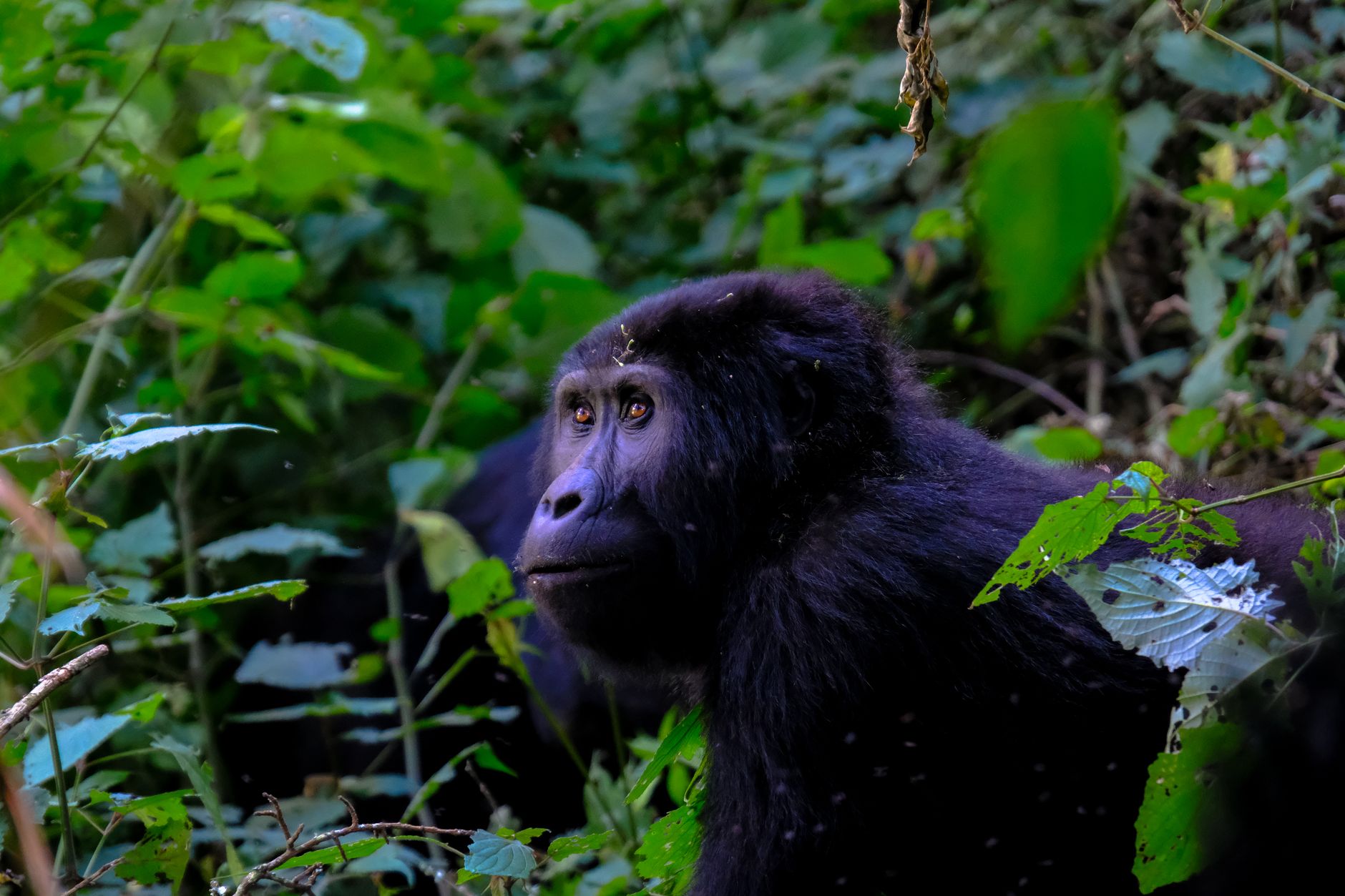
Choose Rwanda for the shortest transfer, polished lodges, and generally easier access to Volcanoes National Park. Choose Uganda for the lower permit price, deeper forest experience, more accommodation choice, and the option of a four-hour habituation trek. Both provide regulated mountain-gorilla encounters with a one-hour standard visit.
| Decision point | Rwanda: Volcanoes National Park | Uganda: Bwindi Impenetrable Forest |
|---|---|---|
| Standard foreign non-resident permit | $1,500 | $800 |
| Closest major gateway | Kigali, roughly a two to three hour drive | Entebbe, often eight to ten hours by road from Bwindi |
| Typical forest terrain | Bamboo, volcanic slopes, and some open gaps | Dense rainforest, steep ridges, and mud |
| Standard visit length | One hour with the group | One hour with the group |
| Habituation trek | No standard visitor habituation trek | Four-hour option in parts of Bwindi |
| Best broad fit | Short trips, easier logistics, premium comfort | Budget routes, forest immersion, longer Uganda circuits |
The table keeps the main differences in one place. Do not read it as the whole story. Bwindi has different sectors, and each sector feels different. Volcanoes has an orderly park feel and strong conservation history. The right choice depends on how many days you have and how much you want the forest to challenge you.
Do Gorilla Permit Costs Really Differ by $700?
For foreign non-residents, Rwanda’s permit costs $1,500 and Uganda’s costs $800, a $700 per-person difference before accommodation and transport. Uganda is usually cheaper overall, but Rwanda’s short Kigali transfer can narrow the gap on a brief trip when flights and premium lodging are included.
The $700 is not a marketing line. It is the gap between the published foreign non-resident permits in the two parks. For two people, the saving in Uganda is $1,400 before you look at hotels or cars. That is real money on any vacation budget.
The catch is that permit price is not total price. Rwanda has a shorter route from Kigali, so a two or three night gorilla trip may avoid a long transfer and an internal flight. Uganda often requires a costly domestic flight to reach Bwindi or a full day on the road. The $700 permit saving can shrink once you add those costs.
Read Bwindi and Volcanoes permit costs if you want to see the official rates in more detail. The published rate schedule matters most for foreign visitors. If you hold an East African passport, confirm the resident rate before comparing.
When you get quotes, do not compare single price lines. A Rwanda operator may quote a higher daily rate but include shorter transfers. A Uganda operator may quote a lower total but build in a long drive or a small flight. That is exactly when you should compare safari operator quotes side by side.
Is Gorilla Trekking in Uganda Harder Than in Rwanda?
Rwanda is usually the easier trekking choice because Volcanoes trails often pass through more open bamboo and volcanic terrain, while Uganda’s Bwindi involves denser forest, steeper slopes, and longer approaches. Trek difficulty is never guaranteed: gorillas move daily, so a nearby family, weather, sector, and ranger allocation can matter more than the country alone.
Expect steep sections in both parks. Volcanoes starts at high altitude, and Bwindi is damp and tangled. Neither trek is a technical climb, but both require basic fitness. Local porters in both parks carry your daypack and steady you on slippery trails. The physical difficulty should not stop you, but the wrong footwear will.
Uganda’s Bwindi also varies by sector. Some valleys are very steep, while other starting points make the walk shorter. If you want to know how much the terrain shifts between the two parks, read our Bwindi versus Volcanoes trek difficulty guide before you choose.
Uganda’s habituation trek is the main reason some hikers accept the harder walk. Instead of one hour with the group, habituation permits can put you with researchers and a gorilla family for up to four hours. Rwanda does not run that style of trek for regular visitors. That alone is enough to tip some travelers toward Bwindi.
Can You Combine Gorilla Trekking With a Kenya Safari?
Yes. Rwanda is the efficient add-on for most travelers because Kigali is roughly two to three hours from Volcanoes National Park. Uganda usually needs a longer road transfer from Entebbe, often eight to ten hours, unless you take a costly domestic flight, so it fits better in a longer multi-park route.
From Nairobi, a Rwanda route is clean on paper. Kigali has regional flights, and Volcanoes sits north of the city. A short gorilla block can begin or end a Kenyan safari without wasting many days. If your main wildlife time is in the Maasai Mara or Samburu, Rwanda works well as the bookend.
Uganda can still combine with Kenya, but it needs more time. A route through Entebbe and Bwindi adds travel days, so it usually works when the overall trip is longer. Some travelers prefer to keep Uganda separate from a classic Kenya safari and spend their Kenya days on the savanna, not on long transfers.
Timing matters, too. If you are visiting Kenya for wildebeest movement in the Mara, you can add Rwanda afterward and keep the core safari in one country. A coastal extension is another option. After gorillas and savanna, a few nights at the coast can help you slow down; the Diani beach guide explains that route in more detail.
What Other Wildlife Can You See With Gorillas?
Uganda offers the broader wildlife extension, with gorillas commonly combined with chimpanzee tracking, Queen Elizabeth National Park, and other western Uganda experiences. Rwanda works well for a compact primate-focused trip, but travelers wanting classic savanna wildlife should compare the full routing with Kenya’s Maasai Mara or Samburu rather than judging the gorilla permit alone.
Within the gorilla parks, wildlife viewing is a bonus, not the main event. You may hear black-and-white colobus monkeys and see many forest birds. Golden monkeys are tracked in Volcanoes, often as a separate short walk. Bwindi’s dense forest rewards patience, but dense cover means you see less large wildlife than you would on an open savanna.
The gorilla parks also have a strong conservation story. Permit fees go directly into protection budgets, and both countries have built local community programs around mountain gorilla tourism. Rwanda’s Volcanoes carries the legacy of gorilla research that began with Dian Fossey. Uganda’s Bwindi has become a model for sharing tourism revenue with communities around the forest.
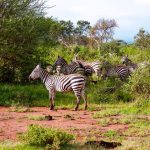
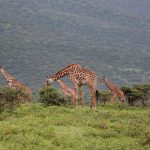
If you want big cats, elephants, and open plains, no gorilla park can match a Kenyan safari. The Maasai Mara is the natural place for big cats and the wildebeest season. Samburu adds dry-country wildlife like Grevy’s zebra and reticulated giraffe. Treat the gorilla portion as one chapter, not the entire wildlife trip.
Which Destination Is Best for Different Travelers?
Rwanda suits travelers with limited time, a higher accommodation budget, or a strong preference for simpler logistics. Uganda suits budget-conscious visitors, hikers who want immersive forest, travelers seeking habituation, and those building a longer wildlife itinerary. The best choice depends on whether the trek is a short add-on or the centerpiece.
A traveler with only three or four extra nights should usually look at Rwanda. The short drive from Kigali means less transit time and more time in the forest. A traveler with a flexible schedule and a strict budget should look at Uganda. The $700 permit saving alone can feel like a free night at a good lodge.
Accommodation also shifts the balance. Rwanda has excellent high-end lodges near Volcanoes, but they can be expensive. Uganda has more range at Bwindi, from simple guesthouses to boutique forest lodges. If luxury matters and money is less of a concern, Rwanda may feel more comfortable. If value matters, Uganda is hard to ignore.
The longer you stay, the more Uganda’s appeal grows. With extra days, you can pair Bwindi with chimpanzee tracking, Queen Elizabeth National Park, or other western Uganda sights. Rwanda is better for a short, focused trip. Match the choice to the trip you actually have time to take.
What Do First-Time Gorilla Trekkers Ask Most?
First-time trekkers usually want to know whether Rwanda or Uganda is better, which one is cheaper, and how the actual walk differs. In short: Uganda saves money and offers the wilder forest, Rwanda saves time and usually feels easier. For many travelers, the choice comes down to how many days the trip can allow.
Is Rwanda or Uganda better for gorilla trekking?
Rwanda is better for short, comfortable trips because Volcanoes National Park is close to Kigali and treks are often easier to access. Uganda is better for lower costs, deeper forest trekking, more accommodation flexibility, and the possibility of a four-hour habituation experience.
Is it cheaper to see gorillas in Uganda or Rwanda?
Uganda is cheaper for most travelers. A foreign non-resident gorilla permit costs $800 in Uganda compared with $1,500 in Rwanda, a $700 difference per person. Rwanda’s shorter transfers can reduce some logistical costs, but they rarely erase the permit gap on a comparable itinerary.
What is the difference between gorilla trekking in Rwanda and Uganda?
Rwanda’s experience centers on Volcanoes National Park and is generally more accessible, polished, and expensive. Uganda offers Bwindi and Mgahinga, with denser forest, potentially tougher terrain, lower permits, more budget lodging, and a longer habituation option.
Which country has easier gorilla trekking, Rwanda or Uganda?
Rwanda generally has easier trekking, with more open bamboo and volcanic landscapes and a shorter approach from the park boundary. Uganda’s Bwindi is often steeper and denser, although actual difficulty depends on the assigned gorilla family, weather, trail sector, and recent gorilla movements.
Can you combine gorilla trekking with a Kenya safari?
Yes. Travelers can combine either destination with Kenya, but routing and flight schedules determine whether the trip is practical. Rwanda is often easier for a short gorilla add-on through Kigali, while Uganda suits a longer regional itinerary. Kenya’s Maasai Mara or Samburu can add big-cat and northern dryland wildlife that gorilla destinations do not provide.
Where Can You Compare Rwanda Uganda Gorilla Safari Packages?
Package comparison is easy. Start with a safari comparison platform such as FindMySafari, then review itineraries from Valley Safaris and Trunktrails Safaris. Each operator prices permits, transport, lodging, and guiding differently, so the best way to see value is to compare complete routes rather than one line item.
If Rwanda is the add-on, ask whether the itinerary uses Kigali or the longer crossing. If Uganda is the centerpiece, check which Bwindi sector is included and whether domestic flights are in the quote. The same operator logic applies to a Kenya safari extension: final route, season, and flight connections matter as much as the gorilla permit itself.
Where Can You Find More Safari Planning Resources?
- Kenya safari packages from SafariPure
- Kenya wildlife tours from Trunktrails Safaris
- Nairobi to Maasai Mara route guide from Valley Safaris
- Compare Kenya safari packages on FindMySafari